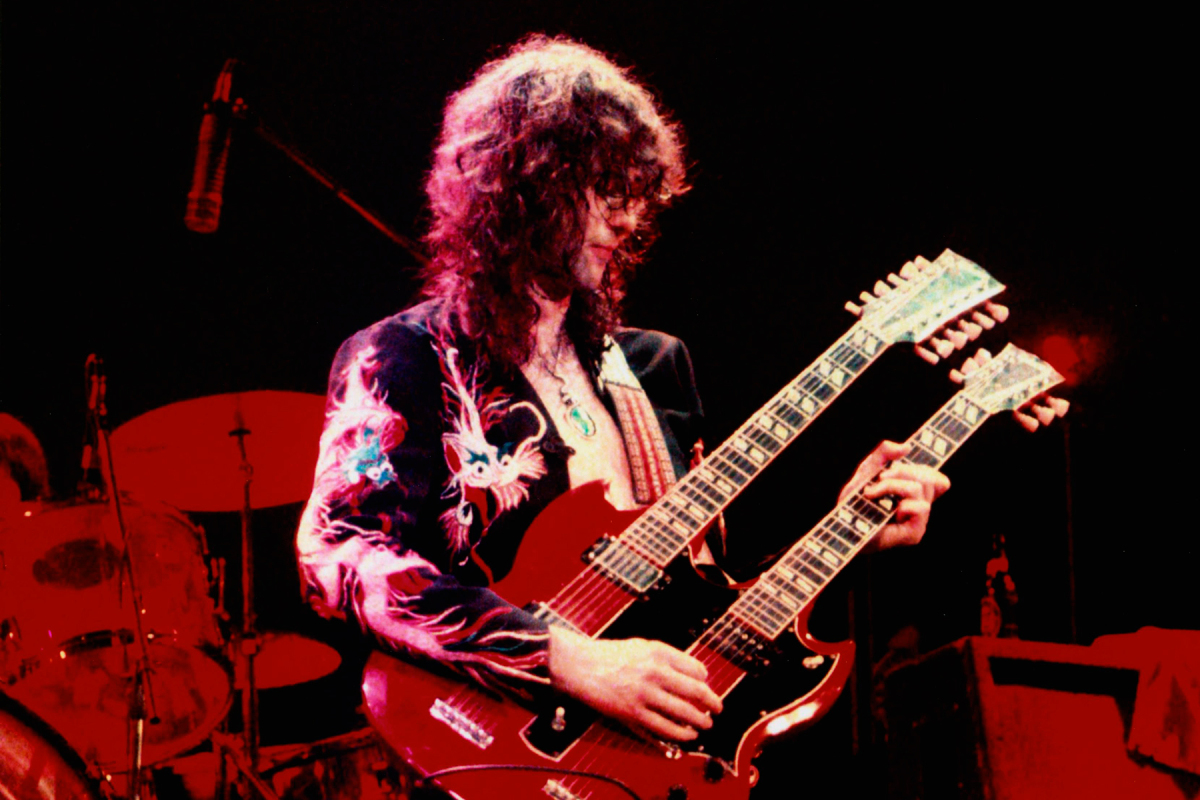
I was having a conversation with an American friend about music and he came up with the comment; ‘But yeah, we invented rock and roll’. I replied: ‘Yes, but we perfected it.’ Which I think is a fairly accurate statement. Rock and roll did emerge in the US in the 1950s with artists like Little Richard, Chuck Berry and Elvis (to name a very few), all of whom had huge influences in the UK. But I’d say most people’s modern perception of rock and roll will come from the blues based version which emerged in the late 1960s via bands like the Rolling Stones, Led Zeppelin and Cream who dug a little deeper into the American musical cannon and studied the blues artists (Robert Johnson, T Bone Walker, Bo Diddley) and slightly sped it up whilst giving it the rock and roll edge and attitude (hedonism, excess and debauchery). Indeed – according to BB King – the blues lineage can be traced from the Missipi Delta, via Chicago to the same village in Surrey where Jeff Beck, Eric Clapton and Jimmy Page all came from.
I’ve always found the musical interplay between the US and the UK fascinating and you can study most music genres and trace it back to some cultural dialogue between the two countries. Sometimes the conversation can turn competitive as each country tries to lay claim to have inventing a sound or genre. A sort of flag planting colonialism where we – or they – claim to have come up with whatever is being talked about first. In some respects it’s a pointless conversation. Who cares where it came from, as long as it’s good music? On the flip side, tracing the genesis of a musical form is interesting and tells us things about history and culture.
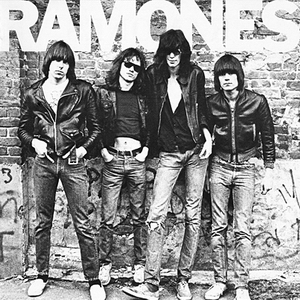
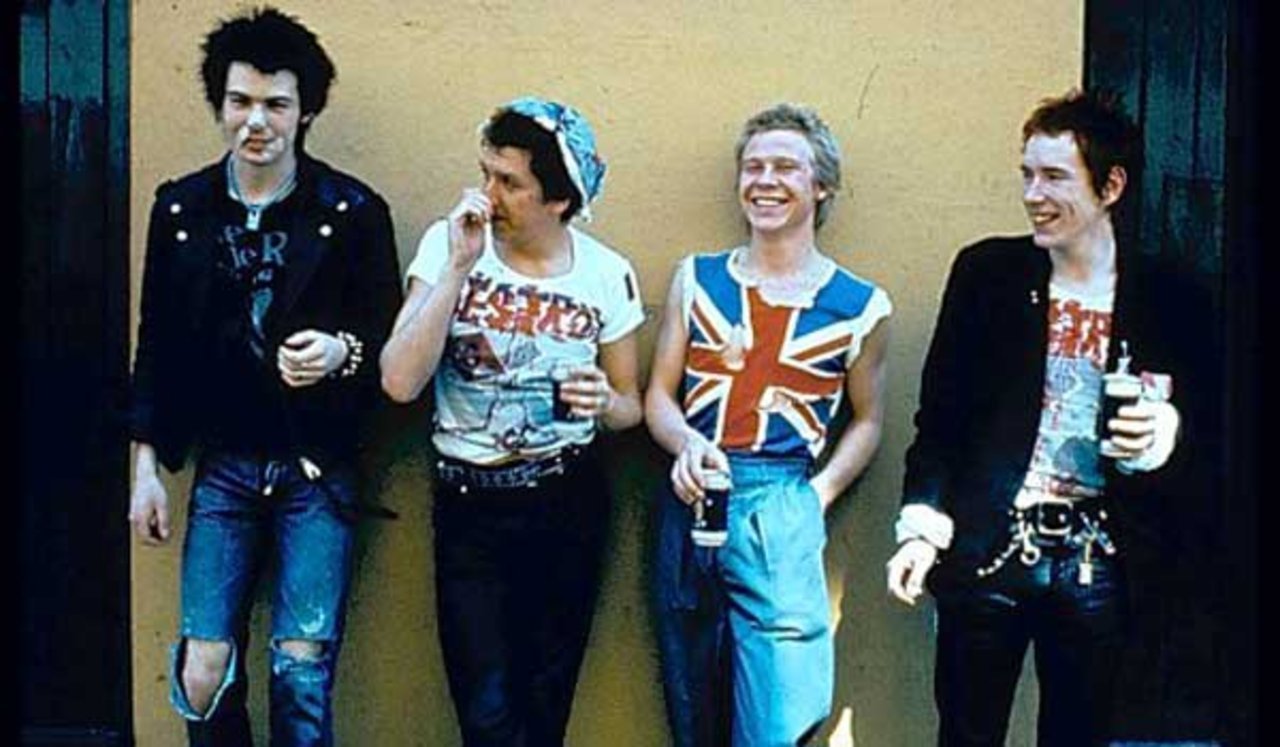
Perhaps the most fervent grounds for ‘who invented it’ conversations is in the punk world. My personal take is the US had a head start with bands like the New York Dolls (influential, particularly in the fashion sense), The Stooges and The Ramones all setting a very important part of the template. The Ramones particularly had a massive influence in the UK after one famous gig at the Round House in London where every punk band after that claimed to have been in the audience. The Ramones sound and attitude was very influential and I imagine at the time a heralded a new paradigm; short songs, musically unsophisticated but passionate and energetic, lots of guitar feedback and a certain understated nonchalance in performance. But then the UK audiences would have seen these acts and taken it one step further. As ever with youth cultural movements in the UK a big advantage to their growth and success is the fact that the UK is a lot smaller physically – hence scenes, music, fashion and all the other trappings can spread quicker via word of mouth and the music press. Things can blow up very quickly as they did with punk. I’d say a major part of the fashion sense and culture would have been from the British input; safety pins, ripped jeans, colored hair, mohicans, t shirts with hand scrawled slogans, Doctor Martins, spitting and pogoing at gigs. They say the hot summer of 1976 was really the ground zero for punk in the UK with bands like the Sex Pistols, The Clash, The Damned, Siouxsie and the Banshees, X Ray Specs and The Slits all coming through. Just as quickly as it blew up, by 1979 things started to wane – the punk star shone brightly and burnt out quickly – as things moved into post-punk (or New Wave as coined by our American cousins) and New Romanticism.
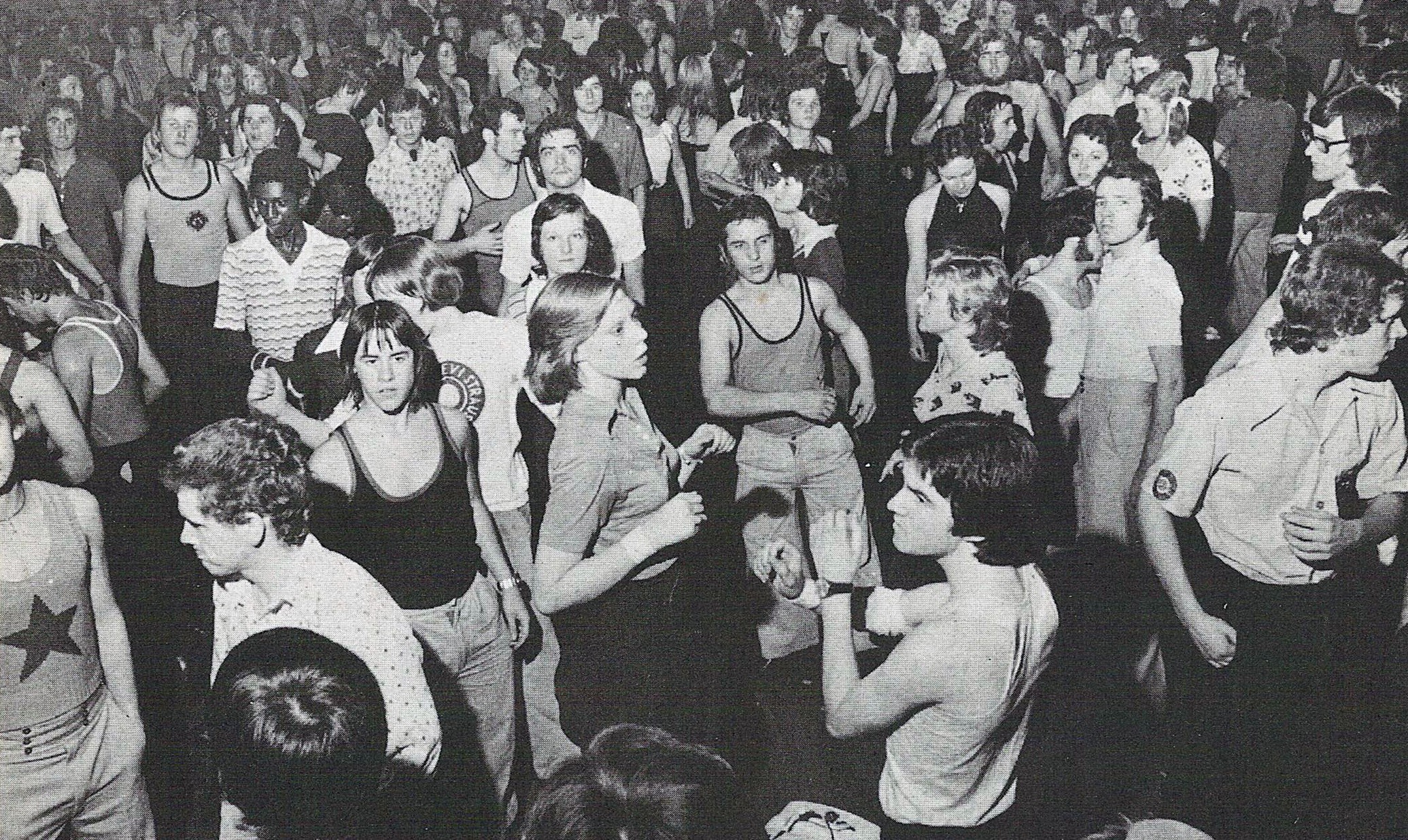
Another fascinating musical dialogue between the nations took place with the Northern Soul scene – and another great example of UK music obsessives picking over the bones of the carcus of forgotten and overlooked American music and reformatting it into something new. The Northern Soul scene emerged in 1970s in the North of England and set the template – drug fueled, all nighters, dance crazes, DJ worship, record trainspotting – for future youth culture movements like acid house. Northern Soul DJs would hunt out black music productions from the 1960s that never quite saw the big time – B sides from labels like Motown, Atlantic and Stax which never made the charts. DJs would fly over to the States and crate dig for rare and exclusive records in dusty flea markets and warehouses and then break the acts on the dance floor at the Wigan Casino or the Twisted Wheel in Manchester. A whole cottage industry of record dealers sprung up around the scene with ultra rare records – with perhaps only a couple of copies in known existence – might set you back five figures. DJs would be associated with one song that might be an exclusive to them so fans would travel to hear it specifically played. It was a musically obsessive scene. DJs would guard their music sources and cover labels to avoid the competition finding out what they were playing. It was another case of going to America and finding discarded black music and re-introducing it to a new crowd. A similar thing happened with the Rare Groove scene in the 1980s which was more London-centric and focused on the funkier side of black American music predominantly from the 1970s.
Flash forward to the late 1980s and UK DJs and audiences started first getting their taste of house music from Chicago and techno from Detroit. Mix in the drug ecstasy and the stage was set for the perhaps the biggest – in terms of social impact and numbers of participants – post war UK youth cultural movement in the form of acid house and rave culture. Again house and techno in the US were originally made by predominantly black artists for a small local black audience. As word started to spread of the popularity of this music in the UK, techno producers and DJs such as Derrick May and Kevin Saunderson would travel to the UK and be blown away by the scale of the acid house scene as the music and crowds blew up. It was like nothing back home. May – via his act Rhythm is Rhythm would see how the scene had taken his ‘Strings of Life’ song to be its anthem and parties with 30,000 ravers would salivate in unison at its musical genius. Acid house was birthed – to morph almost thirty years later via an infinite number of sub genres into the commercial monster that is EDM in the US.
The trend continued into the 90s. US – predominantly New York – house and garage morphed into UK garage which then spawned dub step and grime. The 90s musical family tree branched out in many directions – progressive house, hard house, drum and bass, jungle, breaks, Big Beat, UK funky, deep house, ambient, tech house etc – all sprouting from the same seed of Chicago house and Detroit techno. We love taking elements of American music and twisting it into different directions and sounds in a fascinating and highly creative dialogue. As ever the source is predominantly black American music; jazz, the blues, RnB, soul, house and techno. Long may it continue.
 Martin's In La La Land
Leave a comment